
PRODUCT
‹
›
‹
›
Refractive Index: 1.378
Water Solubility: 360 g/L (25°C)
Stability: Stable under normal transportation and handling conditions.
Storage Conditions: Cool, well-ventilated, dry warehouse.
Vapor Pressure: 1 mm Hg (865°C)
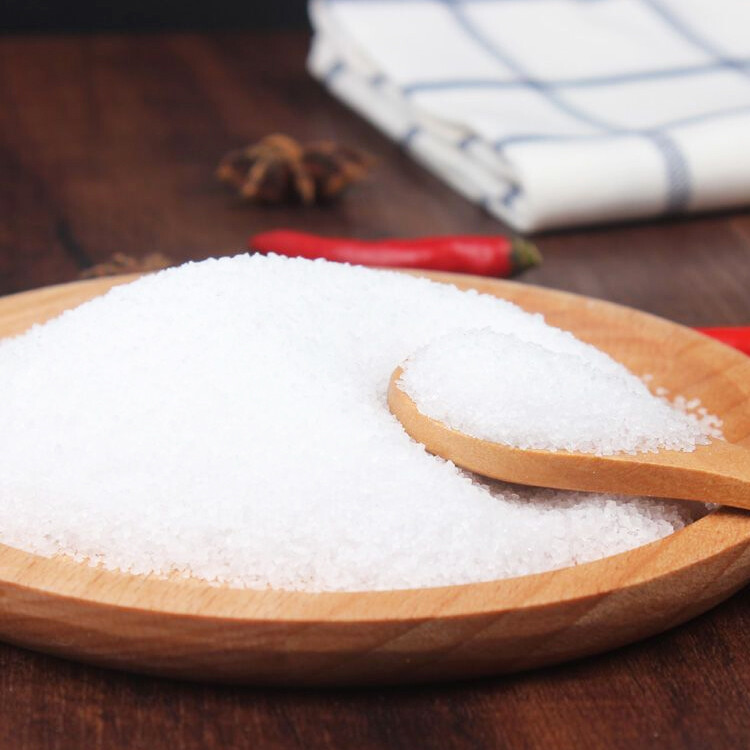
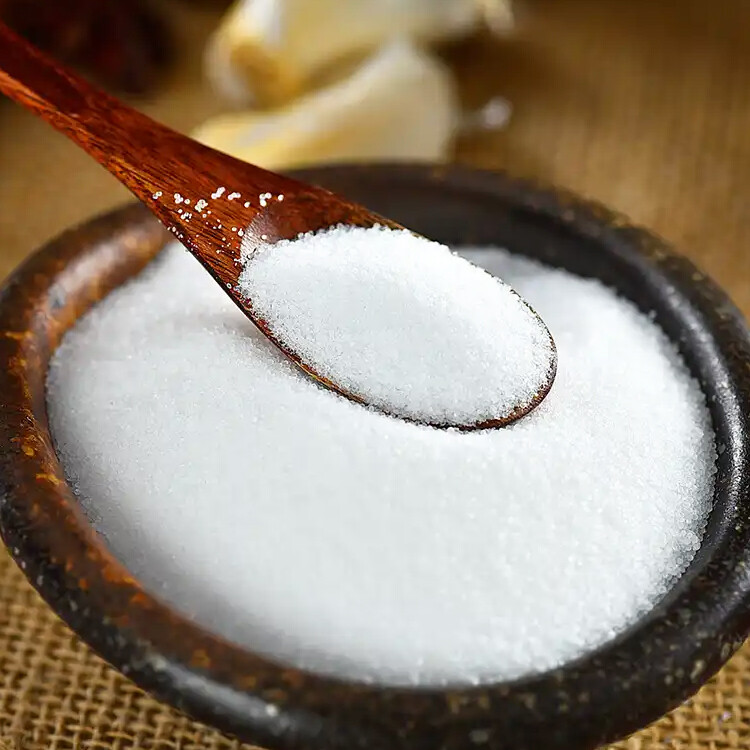
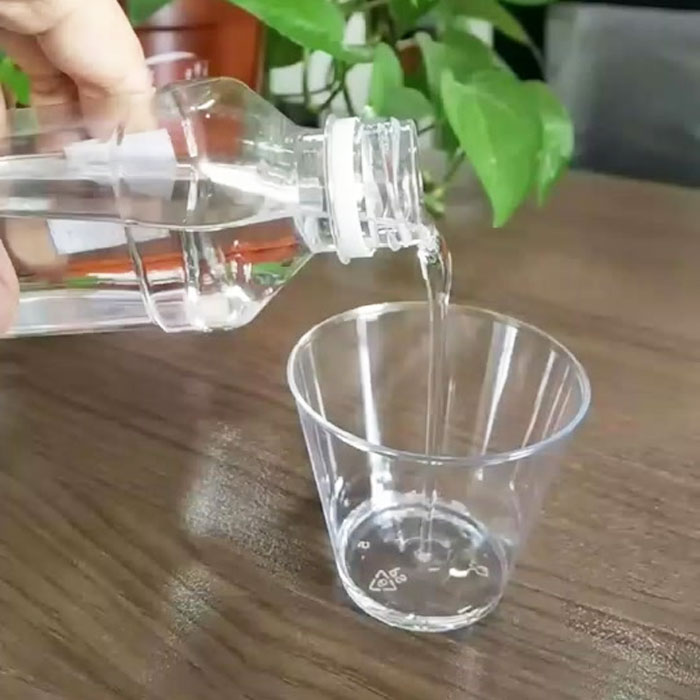
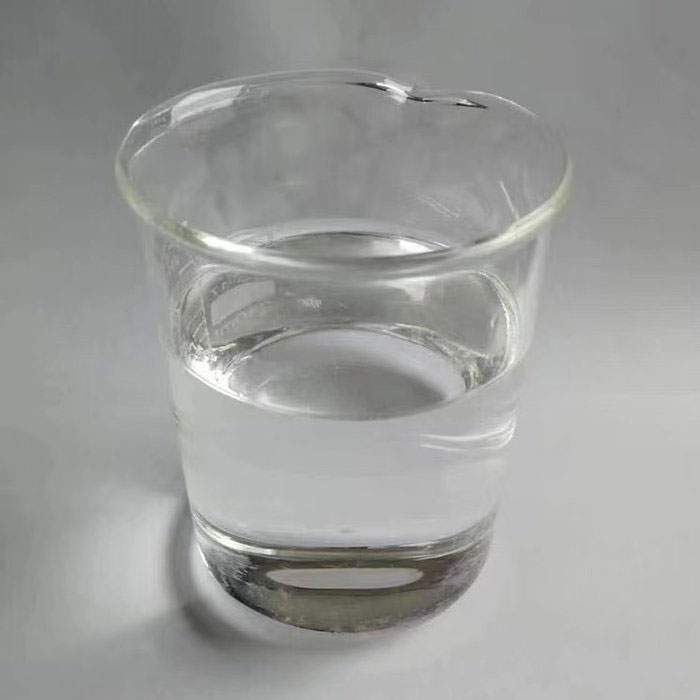
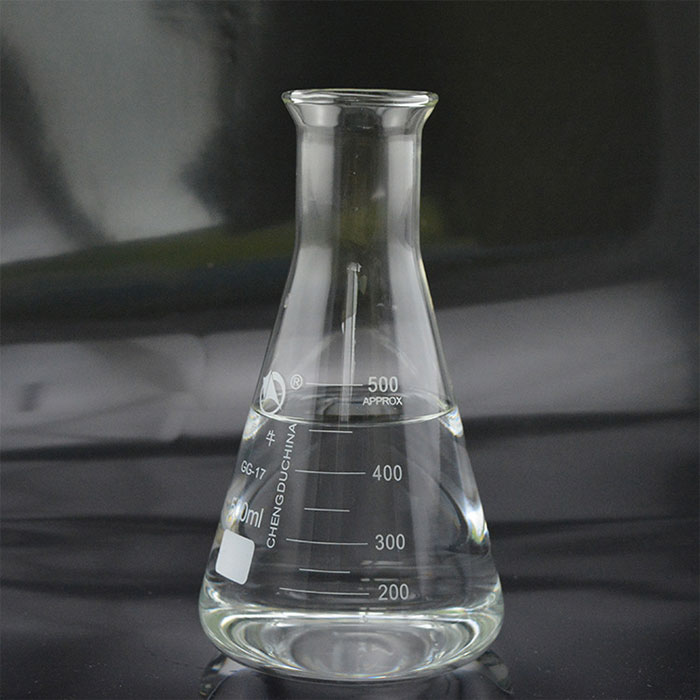
Sodium chloride (NaCl) is an inorganic ionic compound with the chemical formula NaCl. It appears as colorless cubic crystals or fine crystalline powder with a salty taste. It appears as white crystals, primarily derived from seawater, and is the main component of table salt. It is freely soluble in water and glycerin, slightly soluble in ethanol (alcohol), and liquid ammonia, but insoluble in concentrated hydrochloric acid. Impure sodium chloride is deliquescent in air. It is relatively stable, and its aqueous solution is neutral. Industrially, it is commonly used to produce hydrogen, chlorine, caustic soda (sodium hydroxide), and other chemical products by electrolyzing saturated sodium chloride solutions (commonly known as the chlor-alkali industry). It is also used in ore smelting (electrolysis of molten sodium chloride crystals to produce active metallic sodium), medically to prepare physiological saline solutions, and domestically as a seasoning.
Product Uses
1. Electrolysis of aqueous sodium chloride produces hydrogen and chlorine. Chlorine has a wide range of applications in the chemical industry, including in the synthesis of polyvinyl chloride, pesticides, and hydrochloric acid.
2. The Dangs process for producing metallic sodium: Sodium is produced by electrolyzing a mixture of molten sodium chloride and calcium chloride. Calcium chloride acts as a flux, lowering the melting point of sodium chloride to below 700°C. Calcium is less reducing than sodium and does not introduce impurities.
3. Sodium chloride is essential for many biological reactions. For example, many solution formulations in molecular biology experiments contain sodium chloride, and most bacterial culture media contain sodium chloride. It is also a raw material for the production of soda ash using the ammonia-soda process.
4. In the inorganic and organic industries, it is used as a raw material for the manufacture of caustic soda, chlorates, hypochlorites, and bleaching powder, as a refrigerant in refrigeration systems, as a raw material for organic synthesis, and as a salting-out agent. It is also used in the steel industry as a heat treatment agent. In high-temperature heat sources, it can be mixed with potassium chloride, barium chloride, and other substances to form a salt bath, serving as a heating medium to maintain temperatures between 820 and 960°C. It is also used in the glass, dye, and metallurgical industries.
5. Analytical reagent used as a trace analysis reagent for fluorine and silicates.
6. Hou's alkali process for producing soda ash: Step 2: Mix the ammonium bicarbonate solution prepared in Step 1 with a sodium chloride solution to produce sodium bicarbonate and ammonium chloride at 10°C.
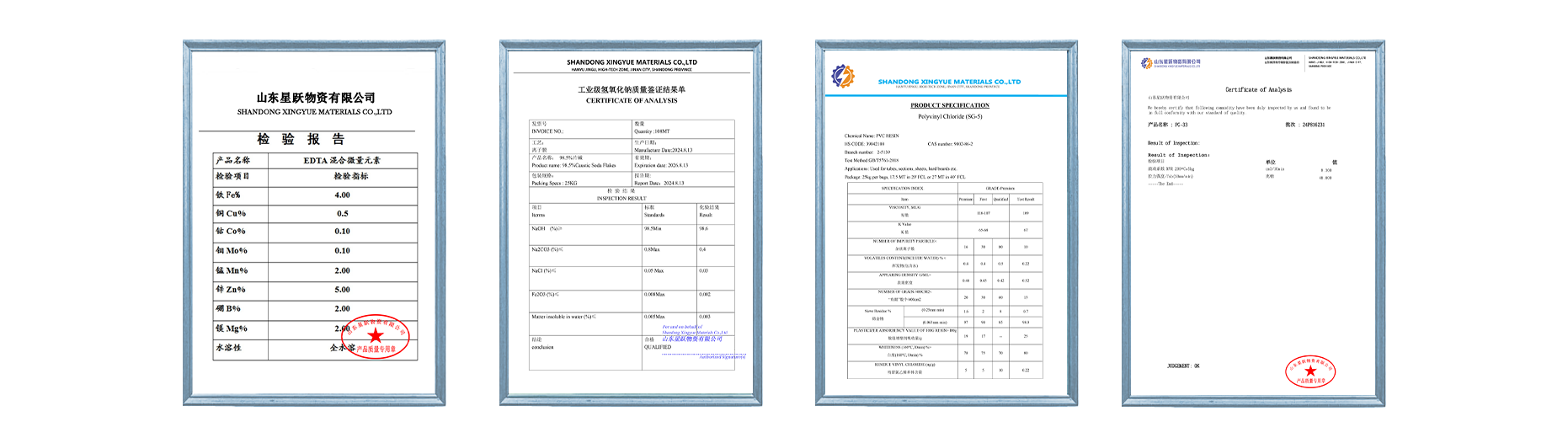
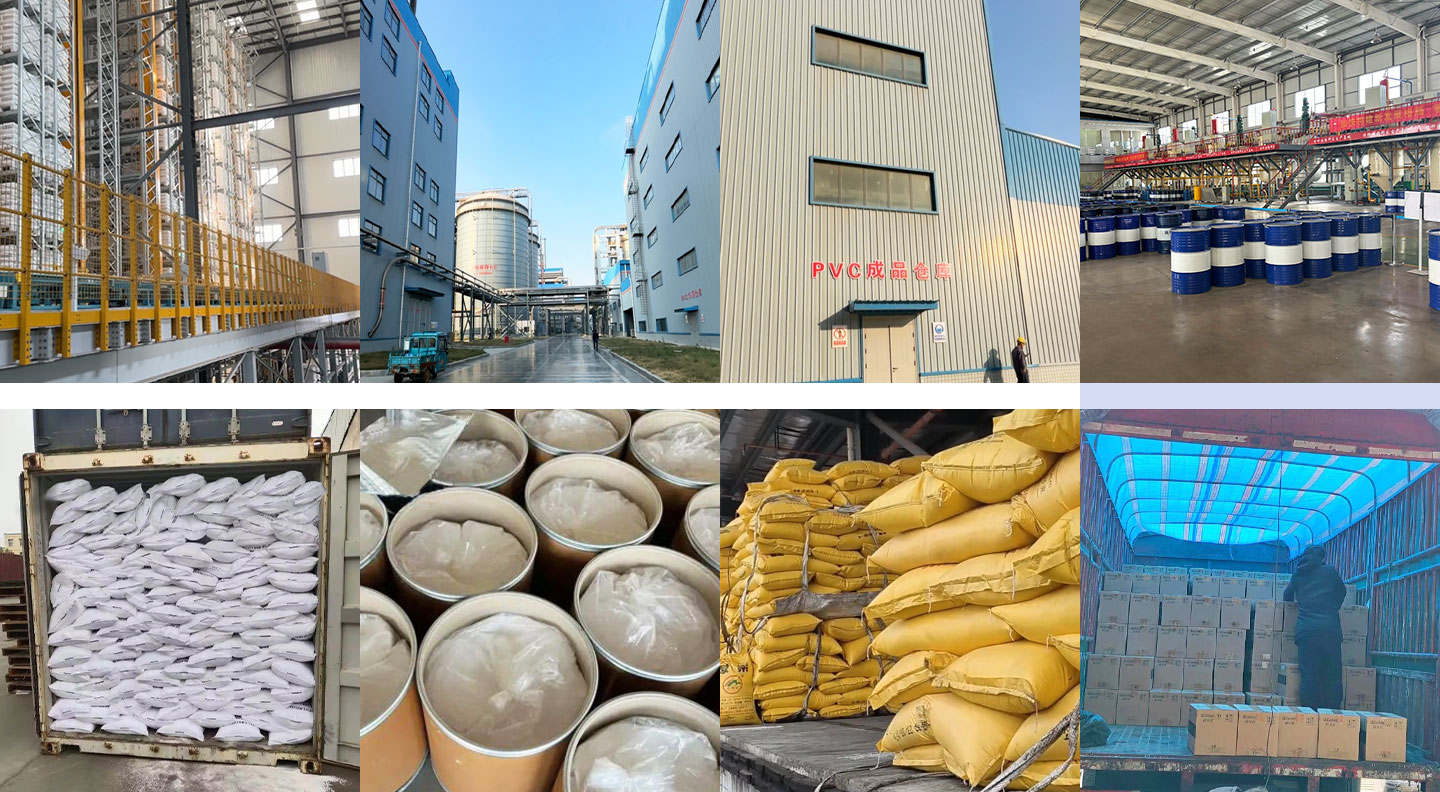
Shandong Xingyue Materials Co.,Ltd. is a modern, high-tech chemical company integrating R&D, production, and sales. We specialize in the production and sale of organic/inorganic compounds, polymer materials, chemical raw materials, food additives, and water-soluble functional fertilizers. Our products utilize high-quality raw materials and advanced technology.
Adhering to the business philosophy of "high quality, high quality, and affordable pricing," we continuously innovate, innovate, and optimize our product mix. We consistently provide high-quality, efficient, and professional services, earning unanimous praise from the industry and contributing to our rapid and steady growth.
With our vision of "Caring for blue skies and clear waters, leading the way in reliable quality" and our mission of "enabling people to use our products with confidence," we adapt to the changing times and strive to achieve a higher, broader, and deeper level of modern technology-based service.
Chat Online