
NEW
Polypropylene was first discovered in 1951 by two chemists, John Paul Hogan and Robert Banks. Just three years later, Italian professor Giulio Natta first polymerized polypropylene, and it quickly became one of the most important polymer compounds in the plastics industry.
In the following years, following its commercialization, PP plastic immediately proved its value, becoming a popular plastic material throughout Europe. According to Grand View Research, the global PP plastic market size was estimated at US$123.46 billion by 2022 and is projected to expand at a CAGR of 4.7% from 2023 to 2030.
2. Advantages and Disadvantages of PP Plastic
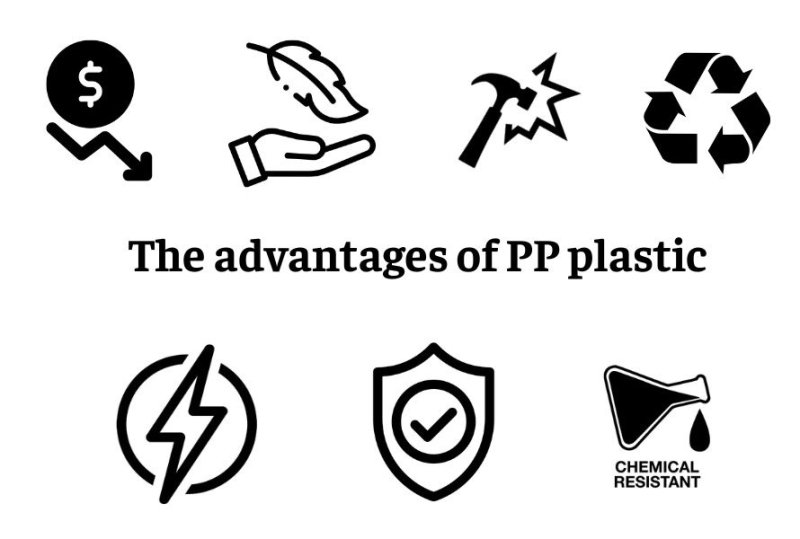
PP plastic (polypropylene) possesses many outstanding properties and advantages, making this plastic material a preferred choice for many businesses in their operations and production. Understanding the characteristics and advantages of polypropylene will help manufacturers fully utilize the benefits that PP plastic can offer, thereby standardizing production processes and reducing unnecessary costs.
However, besides its advantages, PP plastic also has certain limitations. One of them is that, due to its durability, chemical resistance, and water resistance, PP plastic is not easily decomposed over time in the natural environment.




Chat Online