
NEW
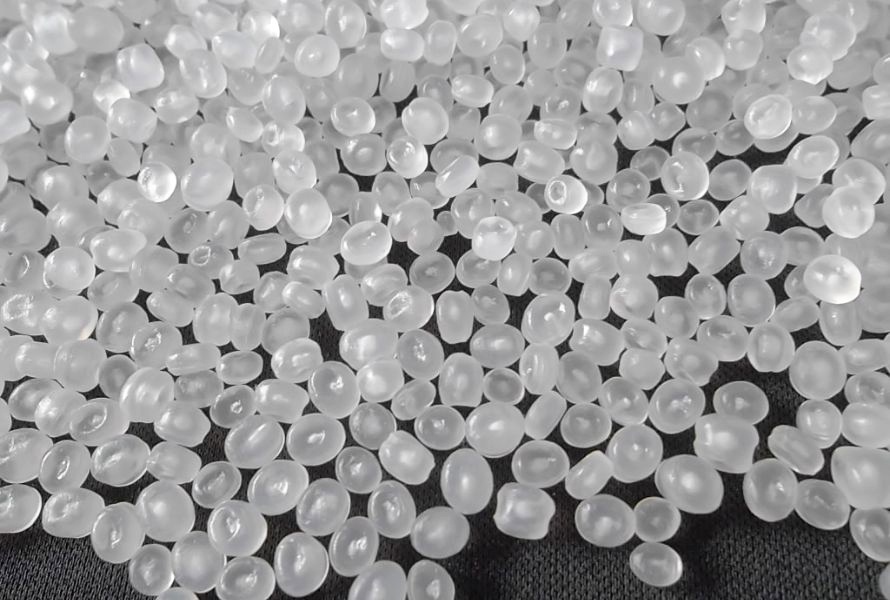
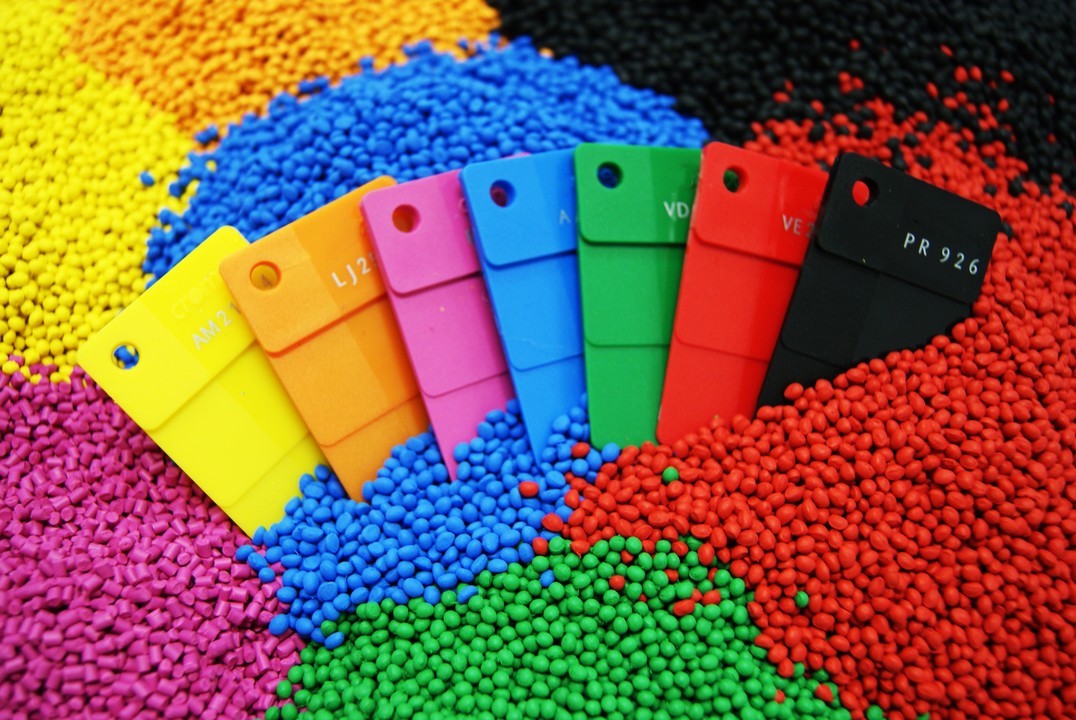
Color masterbatch is a concentrated formulation composed of colorants, effect agents, performance-enhancing additives, or combinations thereof, encapsulated in a carrier plastic resin. Color masterbatch is used to add color, special effects, or enhance the performance of plastic parts. Most colored plastic products we encounter in daily life use color masterbatch for coloring. Color masterbatch is typically supplied in granular form and is used in combination with the raw polymer during the production of molded plastic parts.
What are the benefits of using masterbatches?
Masterbatches are almost always the preferred choice for coloring plastics. Because the pigments or dyes are encapsulated in granules, using masterbatches ensures a cleaner production process than using liquid pigments or powder mixtures. A clean and efficient production process helps minimize waste and production downtime. It also allows for precise control over color metering and distribution. Adding color at precise metering levels improves cost-effectiveness and enhances color consistency throughout the production process.
The role of masterbatches is not limited to coloring; they can also be used to achieve special effects in plastics. Special effect pigments can also be encapsulated in masterbatches like colorants. Additive masterbatches are used to improve processing properties or enhance the performance of the final product. Additives can often be added to coloring masterbatches to create composite masterbatches. This means that plastic molders only need to add one masterbatch, instead of adding multiple components to the polymer as before. Additive masterbatch manufacturers can design formulations based on the customer's specific production conditions and end-use requirements.
Plastic parts for outdoor applications are often made using composite masterbatches. These masterbatches contain pigments in various colors as well as UV-protective additives. This effectively prevents sunlight exposure, improves colorfastness, and inhibits material degradation.
Who uses masterbatch?
Anyone producing colored plastic products typically needs colored masterbatch. Plastic molders purchase masterbatch from masterbatch suppliers for production. However, brand owners, packaging technicians, and product developers can benefit by working directly with masterbatch manufacturers to develop and approve custom colors or effects they require.
What are the applications of masterbatch?
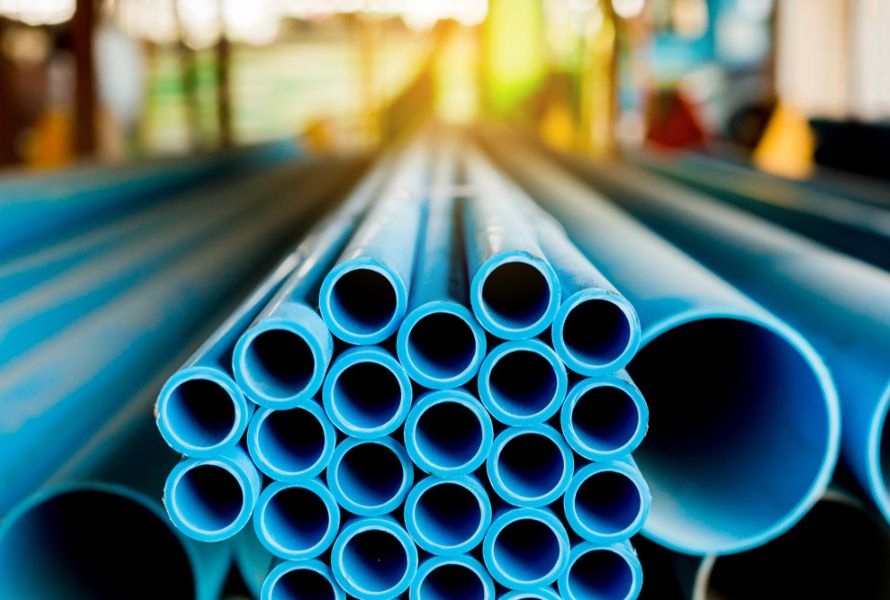
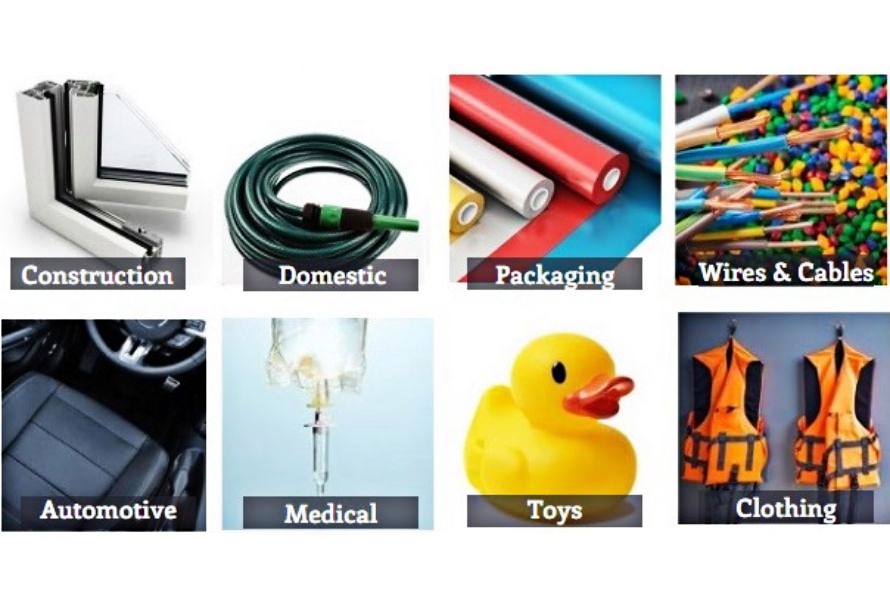
Masterbatch is widely used in the manufacture of various plastic parts, covering numerous market sectors. Masterbatch can be used in injection molding, blow molding, injection stretch blow molding, and extrusion. Filaments used in 3D printing also typically require the addition of masterbatch for coloring. Most plastic products are produced using one of these processes. Larger items like water tanks, kayaks, and trash cans are produced using rotational molding. This process uses rotational molding powder rather than granular polymers, so rotationally molded products do not require masterbatch.
How does masterbatch work?
A fitting analogy is that if natural polymers are water, then masterbatch is orange juice. Only a small amount is needed to color (or enhance) the base material. The addition amount of masterbatch is typically 1% to 5%. One masterbatch granule formulated at a 1% addition rate can color 99 polymer granules.
Injection molders typically use specialized dispensing equipment to add the required amount of masterbatch to the polymer. However, less refined methods, such as cement mixers, can also be used to mix the masterbatch and polymer. Masterbatch and polymer fall into the barrel of an injection molding machine through a hopper. The polymer and masterbatch granules melt and mix together in the extruder barrel. A screw is used to mix and deliver the liquefied material into the mold cavity. At this point, the masterbatch is thoroughly mixed with the polymer, and the pigment or dye is evenly distributed in the material. As the material enters the mold, pressure is applied from the other side, clamping the polymer within the mold. As the material cools and solidifies, the colored part is formed before the clamps are released.
How is masterbatch made?
The components of masterbatch are initially in powder form. These components typically include pigments or dyes to achieve the desired color or effect, any necessary additives, fillers (e.g., chalk), processing aids (e.g., wax), and a carrier resin (polymer). The carrier polymer must be compatible with the polymer to which the masterbatch will be added during the molding process.
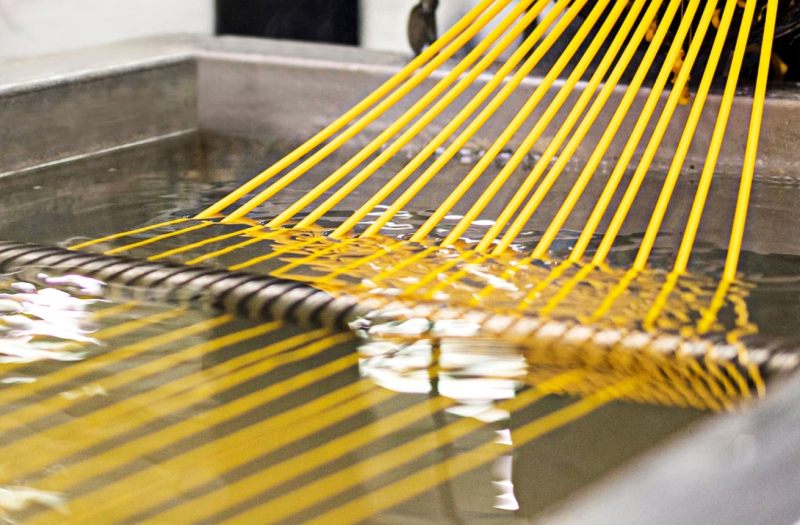
According to a pre-set formulation (often designed for specific production needs), various raw materials are weighed in the correct proportions. These components are then mixed, fed into an extruder, and melted into a liquid state at a temperature of approximately 180°C. The screw agitates and propels the material along the barrel. The uniformly mixed material is extruded in liquid form from the die, forming strips. These strips are then immersed in water to cool and solidify before being cut into granules. After granulation, the masterbatch is bagged and ready for distribution.


Chat Online