
NEW
What is PVC?
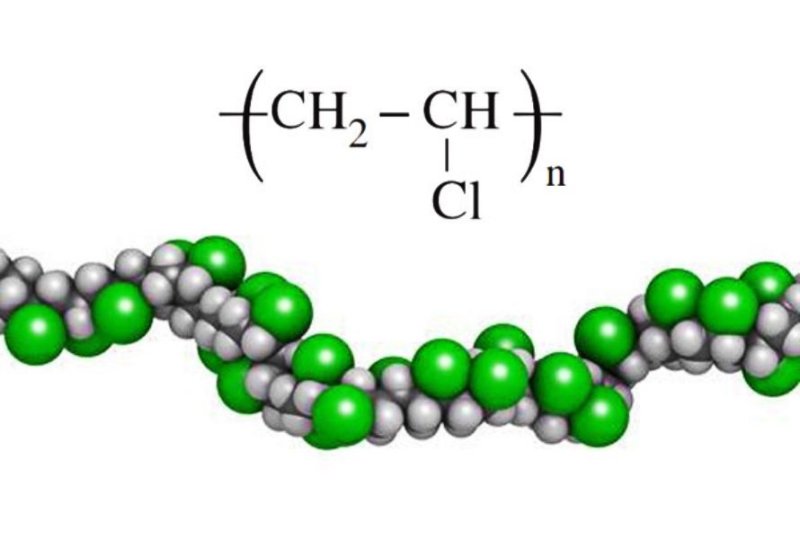
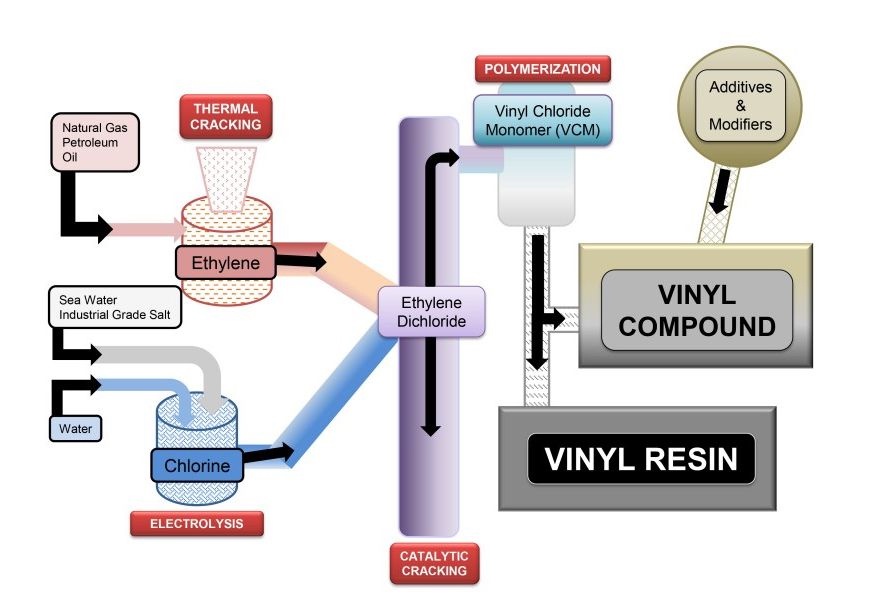
PVC is short for polyvinyl chloride, a thermoplastic plastic formed by the polymerization of vinyl chloride (CH2 = CHCl), a chemical substance that can be produced from petroleum or natural gas.
PVC is one of the world's most produced plastics, with an annual production of approximately 400 million tons.
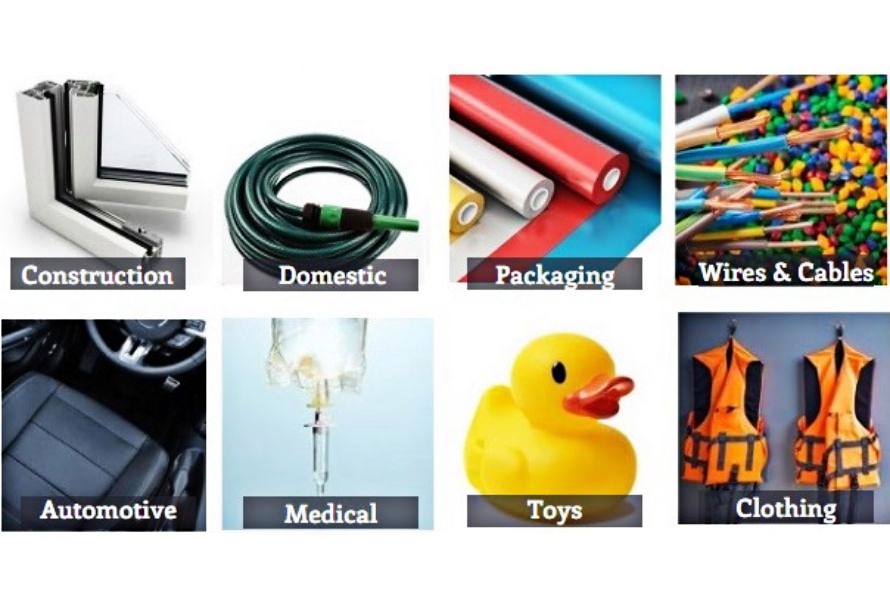
PVC is widely used in many fields due to its many outstanding advantages, including:
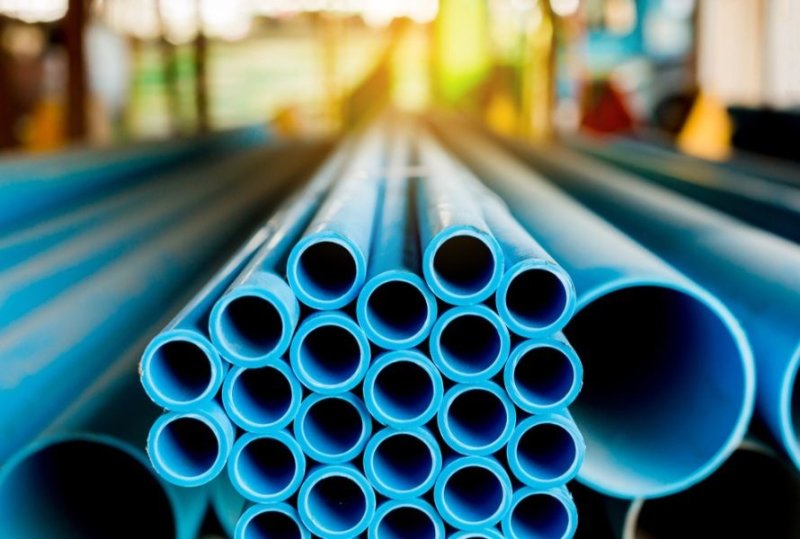
High strength: PVC is a thermoplastic, meaning it can be softened and reshaped without deforming. This makes PVC an excellent choice for applications requiring high strength, such as pipes, windows, and roofs.
Environmental resistance: PVC is unaffected by weather, so it can be used outdoors without damage. PVC is also not chemically corroded, making it suitable for chemically-related applications.
Ease of processing: PVC can be processed using various methods, including extrusion, blow molding, and coating. This makes PVC a versatile choice for a wide range of applications.
Availability in many different colors and sizes: PVC can be produced in a variety of colors and sizes. This makes PVC a suitable choice for a wide range of applications.
Low cost: PVC is a low-cost plastic. This makes PVC suitable for many different applications.
What are the characteristics of PVC?
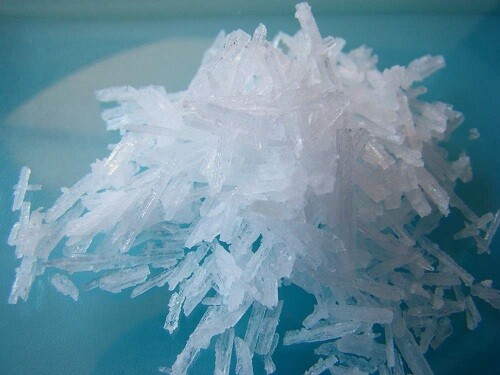
PVC is a thermoplastic plastic polymerized from vinyl chloride. Vinyl chloride is a colorless liquid with a slightly sweet taste and volatile odor. The structural formula of PVC plastic is (C₂H₃Cl)n, and its specific characteristics include:
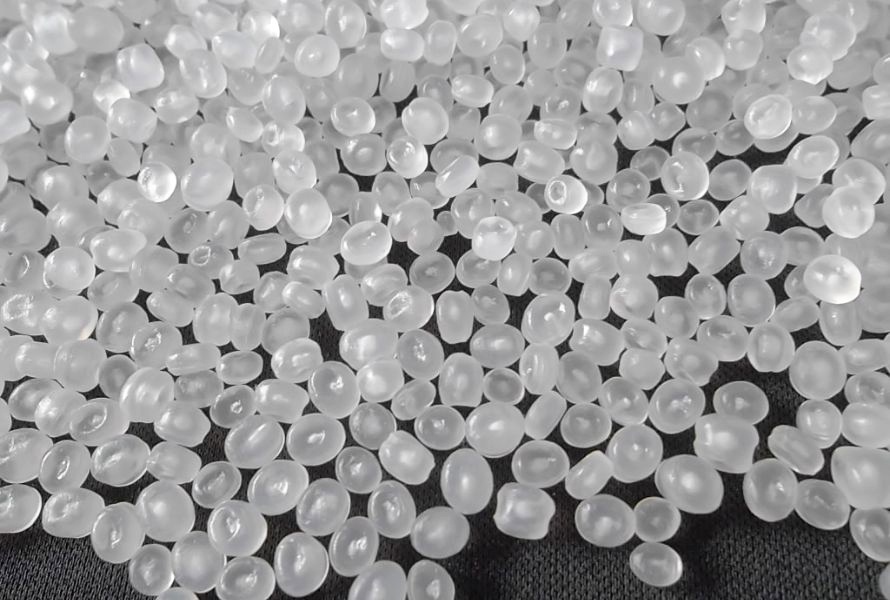
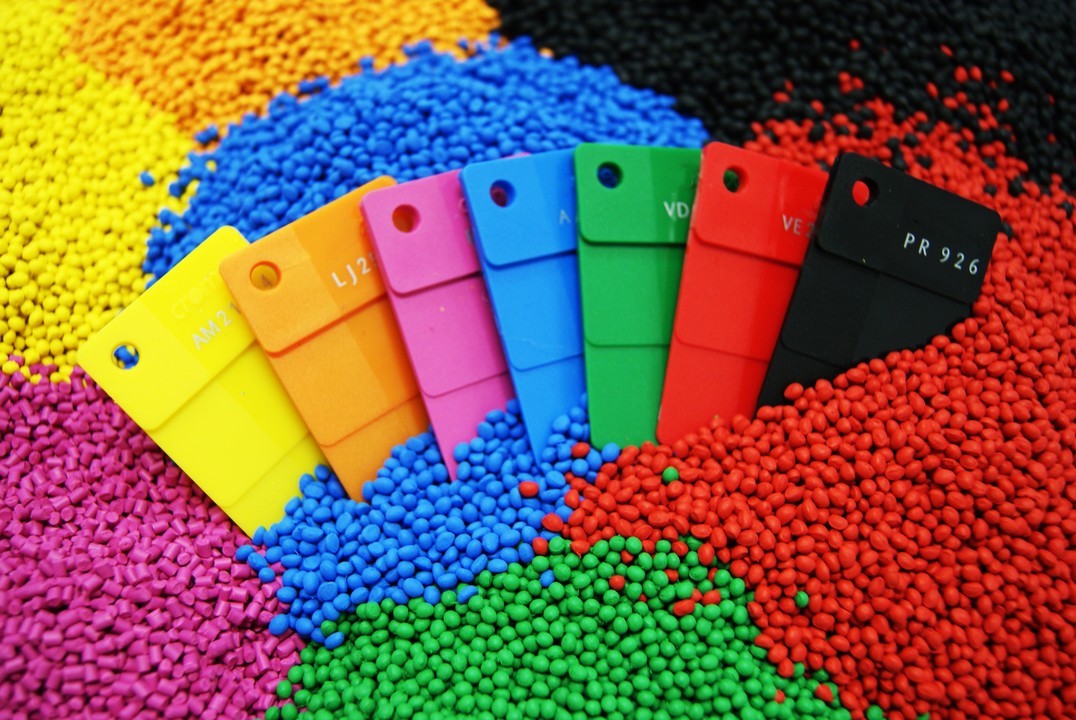
It can be produced in a variety of colors, including white, black, green, blue, red, yellow, and purple.
PVC has a specific gravity of approximately 1.4 g/cm³.
PVC is a very durable plastic that can withstand the effects of temperature, chemicals, and weather.
The hardness of PVC ranges from soft to hard, depending on the amount of additives.
PVC is a non-conductive plastic used in many electrical and electronic applications.
It is resistant to sunlight and will not fade or deform under the influence of ultraviolet light.
PVC has a melting point as high as 140°C.
PVC is resistant to a variety of chemicals, including acids, alkalis, and salts.
PVC is waterproof and does not absorb water or deform upon contact with water.
PVC plastic has relatively stable chemical properties and does not react with inorganic substances such as acids, alkalis, and salts. However, PVC can react with organic compounds such as alcohol, esters, and amines, and it can also decompose under heat, light, and oxidants.
When PVC burns, it produces harmful gases such as dioxins and furans. Dioxins are toxic substances that can cause cancer, birth defects, and other diseases. Furans are also toxic substances that can cause cancer and other diseases. Therefore, it is necessary to use PVC correctly and recycle it after use to limit environmental pollution and protect human health.


Chat Online